Converting from a manual to an automatic gearbox involves significant mechanical and electrical changes, impacting driving experience and vehicle value.
Overview of the Conversion Process
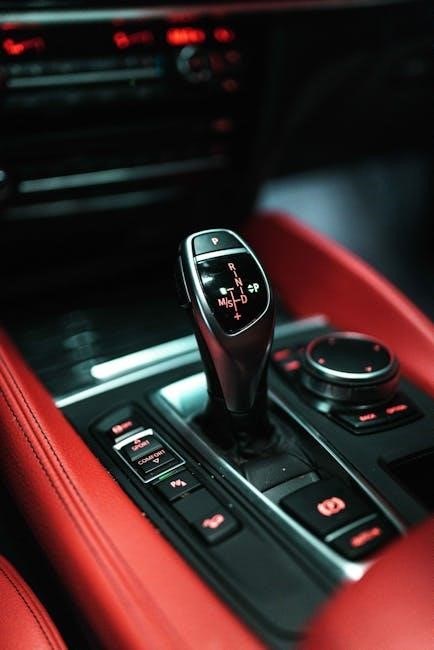
The conversion fundamentally replaces the existing manual transmission, clutch, and related components with a complete automatic gearbox assembly. This necessitates removing the shifter mechanism and adapting the vehicle’s floor console. Crucially, a transmission control unit (TCU) is installed to manage gear changes electronically, requiring extensive wiring integration.
Driveshaft modifications are often needed to accommodate the differing lengths and connection types. Cooling lines for the automatic transmission fluid must be installed, connecting to a dedicated cooler. Finally, thorough testing and calibration of the TCU are essential to ensure smooth and reliable operation, addressing potential electrical and mechanical fitment challenges throughout the process.
Why Convert? Benefits and Drawbacks
Converting to an automatic gearbox offers increased driving ease, particularly in congested traffic, and can broaden the vehicle’s appeal to a wider range of drivers. It reduces driver fatigue during long journeys and simplifies operation for those less familiar with manual transmissions. However, this conversion typically results in a slight decrease in fuel efficiency and a potential loss of driver engagement.
Furthermore, the process is often expensive, involving significant parts and labor costs. While modern automatics offer comparable performance, some enthusiasts lament the diminished control and responsiveness compared to a well-driven manual. Ultimately, the decision hinges on prioritizing convenience versus driving experience.
Assessing Vehicle Compatibility
Determining if your vehicle is suitable requires checking for available conversion kits and ensuring sufficient space for the automatic gearbox installation.
Identifying Suitable Vehicle Models
Not all vehicles are ideal candidates for a manual-to-automatic conversion. Generally, older models with simpler wiring harnesses present fewer challenges. Vehicles originally offered with both manual and automatic transmission options are significantly easier to convert, as many mounting points and necessary components may already exist.
Consider the engine; some engines pair better with specific automatic transmissions. Researching online forums and communities dedicated to your vehicle model can reveal successful conversion stories and potential pitfalls. Factors like available space in the transmission tunnel and compatibility with the existing driveshaft are crucial. Thorough research is paramount before committing to the conversion process, ensuring a smoother and less problematic installation.
Checking for Existing Conversion Kits
Before embarking on a manual-to-automatic conversion, investigate the availability of dedicated conversion kits. These kits often bundle essential components like the transmission adapter plate, modified driveshaft, transmission mount, and wiring harness, streamlining the process. While potentially costly, kits reduce sourcing individual parts and ensure compatibility.
Online retailers and specialized automotive suppliers are good starting points for your search. Carefully review kit contents and read customer reviews to assess quality and completeness. If a kit isn’t available for your specific vehicle, consider universal kits, but be prepared for additional modifications and fabrication. Thoroughly assess if a kit offers genuine value versus sourcing parts independently.

Parts Required for the Conversion
Successful conversion demands an automatic gearbox, transmission controller, adapted driveshaft, new wiring harness, sensors, and cooling system upgrades for optimal function.
Automatic Gearbox Selection
Choosing the right automatic gearbox is crucial for a successful conversion. Consider the original engine’s power output and torque characteristics to ensure compatibility. Options range from traditional torque converter automatics, offering robustness and smooth shifts, to continuously variable transmissions (CVTs) prioritizing fuel efficiency.
Research gearboxes from similar vehicle models or those specifically designed for conversions. Factors like bell housing bolt patterns, input shaft splines, and overall dimensions must align with your vehicle. A used gearbox can reduce costs, but thorough inspection for wear and tear is essential. New or rebuilt units provide greater reliability, though at a higher price point.
Don’t overlook the number of speeds; more speeds generally improve fuel economy and performance. Ultimately, selecting a gearbox that complements your driving style and vehicle’s intended use is paramount.
Transmission Controller (TCU) Options
A Transmission Control Unit (TCU) is essential for managing the automatic gearbox’s operation. Stand-alone TCUs offer programmable shift points, torque converter lockup control, and diagnostic capabilities, allowing customization for optimal performance. These are ideal when the original vehicle didn’t have an automatic transmission.
Alternatively, some conversions utilize the TCU from the donor gearbox, but this requires extensive wiring integration and may necessitate modifications to ensure compatibility with the vehicle’s existing systems. Universal TCUs are available, providing broad compatibility but potentially requiring more complex setup.
Careful consideration of features, ease of programming, and support availability is vital when selecting a TCU. Proper calibration is key to smooth shifting and preventing damage to the transmission.
Driveshaft and Axle Considerations
Converting to an automatic gearbox often necessitates driveshaft modifications due to differing lengths compared to a manual setup. The automatic transmission’s output shaft position can alter the required driveshaft length, potentially requiring a custom-made driveshaft to ensure proper fitment and operation.
Axle compatibility should also be verified. While often reusable, inspect the axles for wear and ensure they can handle the torque output of the new automatic transmission.
Flange types and U-joint angles must be carefully matched to avoid vibrations and premature wear. Ignoring these considerations can lead to driveline issues and compromised vehicle performance. Accurate measurements are crucial for a successful installation.
Wiring Harness and Sensors
Automatic transmissions require a complex wiring harness to communicate with the Transmission Control Unit (TCU) and the vehicle’s ECU. This involves connecting sensors like speed sensors, throttle position sensors, and potentially brake switch inputs.
Adapting the existing wiring harness is often necessary, potentially requiring splicing and extending wires. A dedicated wiring diagram for both the vehicle and the chosen automatic transmission is essential.
Ensure all connections are secure and properly insulated to prevent electrical faults. Incorrect wiring can lead to transmission malfunctions or even damage to the vehicle’s electrical system. Careful attention to detail is paramount during this stage.
Cooling System Components
Automatic transmissions generate significant heat, necessitating a dedicated cooling system. This typically involves an automatic transmission cooler, often integrated into the radiator or as a separate unit.
Transmission fluid lines must be routed to and from the cooler, ensuring proper flow and heat dissipation. Consider upgrading the transmission fluid cooler, especially for vehicles used for towing or in demanding conditions.
Inspect and potentially replace the transmission fluid temperature sensor. Proper cooling prevents fluid breakdown and extends the life of the transmission. Neglecting this aspect can lead to overheating and catastrophic failure.
Cost Breakdown of the Conversion
Conversion costs vary widely, encompassing gearbox price, kit expenses, professional labor, and additional parts like fluids and sensors—budget accordingly!
Gearbox Cost
Automatic gearbox costs represent a substantial portion of the overall conversion expense, fluctuating based on several key factors. New automatic transmissions generally command a higher price point, potentially ranging from $1,500 to $5,000 or even more, depending on the vehicle type and the gearbox’s sophistication.
Used gearboxes offer a more budget-friendly alternative, typically costing between $500 and $2,000, but require careful inspection to ensure reliability and avoid future issues. The specific model and condition significantly influence the price. Furthermore, consider whether a complete transmission assembly or just the core is being purchased, as additional components may be needed.
CVT (Continuously Variable Transmission) options, noted for their smooth operation, can fall within a similar price range as traditional automatics, offering a potentially easier driving experience, especially in urban environments.

Kit Costs (If Applicable)
Conversion kits, when available, streamline the process, bundling essential components. These kits typically range from $800 to $3,000, depending on completeness and vehicle specificity. A comprehensive kit usually includes the transmission adapter plate, modified driveshaft components, a transmission crossmember, and potentially a shift cable or selector.
However, kit availability is limited, often concentrated on popular vehicle models. Purchasing a kit can save time and reduce the risk of compatibility issues, but careful research is crucial to ensure it includes all necessary parts for a successful conversion. Some kits may require additional, separately purchased items like wiring harnesses or cooling lines.
Labor Costs (Professional Installation)
Professional installation significantly impacts the overall cost, typically ranging from $1,500 to $4,000, depending on the vehicle and shop rates. The complexity of the conversion, including potential fabrication or custom wiring, drives up labor hours. Expect 20 to 40 hours of work, encompassing gearbox removal, installation, wiring, driveshaft modifications, and thorough testing.
Experienced mechanics specializing in transmissions are preferable, ensuring correct installation and minimizing potential issues. Obtaining quotes from multiple shops is advisable, clarifying what’s included in the estimate. Remember that unforeseen complications can arise, potentially increasing labor costs beyond the initial quote.
Additional Expenses (Fluids, Sensors, etc.)
Beyond core components, several supplementary costs arise during a manual to automatic conversion. Automatic transmission fluid (ATF), specific to the chosen gearbox, is essential, costing $100-$300. New sensors – speed sensors, input/output sensors – may be required, adding $200-$500. A new driveshaft or modifications to the existing one can range from $300 to $800.
Don’t forget coolant hoses for the transmission cooler ($50-$150) and potentially a new transmission cooler itself ($150-$400). Small hardware like bolts, gaskets, and wiring connectors contribute another $50-$100. Budgeting for these often-overlooked items prevents unwelcome surprises.
Installation Process – A Step-by-Step Guide
Conversion demands careful removal of the manual gearbox, followed by automatic installation, wiring harness connections, and precise driveshaft/axle alignment.

Removing the Manual Gearbox
Initiating the conversion requires a systematic removal of the existing manual gearbox. Begin by disconnecting the driveshaft, ensuring proper support to prevent damage. Next, detach the shift linkage, clutch cable (or hydraulic lines), and all wiring connected to the transmission.
Support the engine from above to prevent it from tilting when the gearbox is removed. Carefully unbolt the gearbox from the engine, taking note of the mounting points. Lower the manual gearbox slowly and steadily, utilizing a transmission jack for safety and control. Inspect the flywheel and clutch components for wear and potential replacement during the automatic installation.
Installing the Automatic Gearbox
With the manual gearbox removed, carefully position the automatic transmission using a transmission jack. Align the automatic gearbox with the engine’s mounting points, ensuring proper engagement with the flywheel. Install the flexplate, specific to automatic transmissions, securing it tightly.
Bolt the automatic gearbox to the engine, following the manufacturer’s torque specifications. Connect the torque converter to the engine’s crankshaft, verifying proper seating. Reinstall the driveshaft, ensuring it’s correctly balanced and aligned. Double-check all connections and mounting points before proceeding to the wiring and TCU setup stages of the conversion.
Wiring and TCU Setup
Connect the automatic gearbox’s wiring harness to the vehicle’s electrical system, carefully matching each wire according to the wiring diagram. Install the Transmission Control Unit (TCU), mounting it securely in a protected location. Program the TCU with the correct vehicle specifications and transmission parameters, often requiring specialized software.

Connect the TCU to the necessary sensors – speed, throttle position, and brake switch – ensuring accurate data transmission. Verify all wiring connections are secure and properly insulated. Perform a preliminary test of the TCU functionality, checking for error codes and proper shifting signals before proceeding with the final installation steps.
Driveshaft and Axle Installation
Measure and potentially modify the driveshaft length to accommodate the automatic gearbox’s different dimensions, ensuring proper alignment and preventing vibrations. Install the driveshaft, securing it to the gearbox output shaft and the rear differential. Inspect the axle shafts for any damage and replace them if necessary, ensuring proper lubrication.
Verify the correct U-joint angles for smooth operation and minimal wear. Tighten all driveshaft and axle bolts to the manufacturer’s specified torque. Double-check for any interference between the driveshaft and other components, like the exhaust system or chassis. A properly installed driveshaft is crucial for efficient power transfer.
Potential Challenges and Troubleshooting
Conversion projects may encounter electrical faults, mechanical fitment issues, or TCU configuration problems requiring diagnostic tools and expert knowledge for resolution.
Electrical Issues
Automatic gearbox conversions frequently present electrical challenges due to the integration of a Transmission Control Unit (TCU) and numerous sensors. Incorrect wiring, incompatible sensor signals, or a faulty TCU can lead to shifting problems, error codes, and even prevent the gearbox from functioning.
Diagnosing these issues requires a comprehensive understanding of automotive electrical systems and access to diagnostic scan tools capable of reading transmission-specific codes.
Common problems include voltage drops, grounding issues, and communication errors between the TCU and the vehicle’s Engine Control Unit (ECU). Thoroughly checking all connections, wiring harnesses, and sensor functionality is crucial for successful troubleshooting.
Mechanical Fitment Problems
Converting to an automatic gearbox can introduce mechanical fitment issues, primarily concerning the transmission mounting points, driveshaft length, and potentially the tunnel opening. The automatic gearbox may have different dimensions than the original manual unit, requiring modifications to the transmission mount or crossmember.
Driveshaft length is often a critical factor; an incorrect length can cause vibrations or damage to the transmission.
Furthermore, the gear selector linkage and shift cable routing need careful attention to ensure smooth and accurate gear changes. Ensuring proper alignment and clearance for all components is vital to avoid future mechanical failures and ensure a reliable conversion.
Software/TCU Configuration
Automatic gearbox operation relies heavily on the Transmission Control Unit (TCU), demanding precise software configuration for optimal performance. The TCU needs to be programmed to match the specific gearbox model, engine characteristics, and vehicle parameters. Incorrect settings can lead to harsh shifting, slippage, or even transmission damage.
Custom tuning may be necessary to refine shift points, torque converter lockup, and other functions for a tailored driving experience.
Diagnostic tools are essential for reading fault codes and adjusting settings. Proper calibration ensures seamless integration with the vehicle’s existing systems, maximizing efficiency and reliability.